What Makes a Bill Payment App Useful for Everyday Expenses?
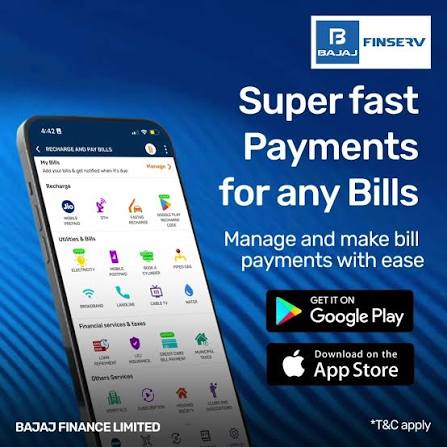
A bill payment app can make routine financial tasks easier by bringing multiple payments into one digital flow. Electricity, mobile, broadband, credit card bills and other recurring expenses can be easier to track when users have a consistent way to check due dates and complete payments.
People managing several monthly commitments may also use tools such as a personal loan calculator to understand how an EMI could fit alongside regular household bills. This matters because bill payments are only one part of a monthly budget, and any additional repayment should be considered together with existing expenses.
The most useful bill payment experience is not simply the fastest one. It should make payments easier to track, reduce missed due dates and help users maintain better visibility over their monthly outgoings.
Convenience Starts With Having Bills in One Place
Households often deal with several different billers during a month. A person may need to pay electricity, broadband, mobile services, insurance and other recurring expenses at different times.
When these payments are handled separately, keeping track of every due date can become difficult.
A bill payment app can simplify the process by giving users one place to manage supported payments. This reduces the need to remember several individual payment channels.
Convenience becomes particularly useful for people who manage bills for both themselves and family members.
Due-Date Visibility Can Reduce Last-Minute Payments
Missing a bill is not always caused by a lack of money. Sometimes the payment is simply forgotten.
Clear due-date information can help users prepare for upcoming expenses rather than reacting when a payment is already overdue.
A good monthly routine may involve checking upcoming bills once or twice a week.
That small habit can help users see which payments are due next and whether enough balance is available to cover them.
Payment History Makes Monthly Tracking Easier
A digital payment record can be useful when reviewing monthly expenses.
Instead of relying on memory, users can look back at previous payments and understand how much they have spent across different services.
This is especially helpful for variable expenses such as electricity or mobile bills.
Comparing several months can reveal whether a particular household cost is increasing steadily.
That information can then be used to adjust the budget.
A Useful Bill Payment App Should Keep the Process Clear
Speed matters, but clarity matters more.
Before confirming a payment, users should be able to review important details such as:
- Biller name
- Account or customer reference
- Bill amount
- Due date
- Payment method
- Transaction status
These details help users confirm that the payment is going to the intended service.
A simple, understandable payment flow can reduce mistakes.
Bill Categories Help Users Understand Their Spending
Grouping bills into categories can make monthly finances easier to review.
For example, recurring payments may be divided into:
- Utilities
- Telecom services
- Credit cards
- Insurance
- Education
- Housing-related payments
- Subscriptions
- Other recurring services
Once expenses are grouped, users can see which categories consume the largest share of the budget.
This can be more informative than looking at a long list of unrelated transactions.
Reminders Can Support Better Payment Habits
Payment reminders can be useful when several bills have different due dates.
A notification a few days before the deadline gives users time to ensure sufficient balance is available.
However, reminders work best when they support an existing budgeting habit.
Users should still maintain awareness of their major monthly commitments rather than relying completely on notifications.
A missed alert should not automatically become a missed bill.
Payment Confirmation Should Be Easy to Verify
After completing a payment, users should check whether the transaction was successful.
A clear confirmation can help avoid confusion, particularly when paying an important bill close to the due date.
It is useful to retain relevant transaction details until the payment is reflected with the biller.
If a payment remains pending, users should verify its status before attempting another transaction.
This can reduce the risk of accidentally paying the same bill twice.
Bill Payments Should Be Planned Around Income
The timing of bills can affect monthly cash flow.
Someone may receive salary at the end of the month but have several bills due during the first week of the next month. In this situation, part of the income should be kept aside before discretionary spending begins.
A practical method is to divide bills by payment period:
- Early-month bills
- Mid-month bills
- End-of-month bills
This makes it easier to see when money needs to remain available.
The total monthly expense matters, but timing can be equally important.
Recurring Payments Need Occasional Review
Not every recurring charge needs to continue forever.
People may keep paying for subscriptions, services or memberships they no longer use simply because the amount is automatically included in their monthly routine.
A periodic review can help identify unnecessary expenses.
Ask whether each recurring charge is still useful, whether the plan is still appropriate and whether a cheaper alternative exists.
Removing even a few unused subscriptions can improve monthly flexibility.
Keep Essential Bills Separate From Optional Spending
Essential payments should generally be protected before discretionary spending begins.
These may include utilities, housing-related costs, insurance and other necessary commitments.
Optional spending such as entertainment or non-essential shopping can be adjusted more easily if the monthly budget becomes tight.
A bill payment app can support this process by making upcoming obligations more visible.
The important part is using that visibility to prioritise spending.
Watch for Unusual Changes in Bill Amounts
A sudden increase in a regular bill should not be ignored.
If electricity, mobile or another recurring expense rises sharply, users should check whether the increase is due to higher usage, a plan change, additional charges or another reason.
Historical payment records can make these changes easier to identify.
Instead of assuming the higher amount is normal, compare it with previous months and review the bill details.
This can help catch both genuine usage increases and possible errors.
Security Matters During Every Payment
A bill payment app handles financial transactions, so basic security practices remain important.
Users should avoid sharing PINs, passwords or OTPs with unknown individuals. They should also be cautious with payment links received through unsolicited messages.
Before paying, confirm that the app, biller and payment details are legitimate.
Using official channels and keeping the device protected can reduce avoidable risk.
Convenience should never require users to compromise basic security habits.
Avoid Paying Bills With Borrowed Money Every Month
There may be occasional situations where a temporary financial gap affects bill payments.
However, if routine household bills regularly require borrowing, the issue may be broader than one difficult month.
Users may need to review:
- Fixed expenses
- Discretionary spending
- Existing EMIs
- Subscription costs
- Income timing
- Savings habits
Repeated borrowing for predictable expenses can make future budgets even more difficult because each new repayment adds another fixed commitment.
Create a Small Bill-Payment Buffer
Variable bills can make exact budgeting difficult.
For example, an electricity bill may normally be ₹2,500 but rise to ₹3,200 in a high-usage month.
Keeping a small monthly buffer can help absorb these differences without affecting other financial commitments.
If the buffer is not needed, it can remain available for the following month.
This makes the budget more flexible without requiring major changes every time a bill fluctuates.
Annual Expenses Should Be Planned Monthly
Some payments appear only once or a few times a year.
Insurance premiums, maintenance charges or annual subscriptions can feel expensive because the entire amount becomes due at once.
A better approach is to divide the expected annual cost across 12 months.
For example, if an annual expense is ₹18,000, setting aside ₹1,500 each month can make the final payment easier to manage.
This turns an irregular expense into a predictable budget item.
Do Not Let Digital Convenience Hide Overspending
Digital bill payments are easy to complete, but the money still comes from the same monthly income.
A user may pay every bill on time and still struggle financially if overall spending is too high.
This is why bill management should be linked with a broader budget.
Users should periodically compare total recurring payments with income and savings goals.
A smooth payment process is helpful, but financial control still depends on how much is being spent.
Keep Transaction Records for Important Payments
For routine bills, digital history may be enough for normal tracking.
For larger or important payments, users may benefit from keeping transaction references or receipts accessible.
These records can be useful if there is a dispute, delayed bill update or support request.
Organised payment records can also make personal finance reviews easier.
It is a simple habit that can prevent confusion later.
Conclusion
A bill payment app is most useful when it helps users organise recurring expenses, monitor due dates, verify payments and understand where money is going each month. Features such as transaction history, reminders and clear payment confirmation can improve convenience, but they work best when combined with disciplined budgeting.
Users should keep essential payments separate from discretionary spending and regularly review recurring charges for unnecessary expenses. If a larger financial need appears alongside routine bills, exploring a loan app should involve the same careful approach: understand the amount required, review all applicable costs and make sure any new repayment fits comfortably within the existing monthly budget.